Living or traveling in tropical climates like the Yucatan Peninsula comes with its unique challenges, especially when it comes to skin care. The intense humidity, heat, and ever-present sun mean that everything you put on your skin needs to be thoughtfully chosen and carefully applied. For expats and long-stay travelers, like those who follow Yucatan Magazine and frequent creative spaces like Yucatan Studio, finding topical creams that deliver relief without turning into a sloppy mess is essential.
One common question I get from my readers and fellow tropical dwellers is: How does Joy Organics CBD cream compare to menthol creams when the mercury climbs and humidity soars? Today, we’ll unpack this "menthol ambush in heat," reveal the benefits of menthol-free options, and cover practical routines for cooling down and drying off before applying any topical. We’ll also look closely at how these products layer with sunscreen and insect repellent, keeping your tropical skin feel fresh without unexpected pitfalls.
Understanding the Challenge: Tropical Skin Meets Topical Creams
Humidity is the real skin care spoiler in hot climates. Your skin doesn't just sweat—it can stays damp under the heat and moisture-laden air. Applying creams directly onto wet or damp skin? That’s a recipe for disappointment.
Wet skin is a bad surface for topicals. Here’s why:
- Poor absorption: Water creates a barrier, causing creams to sit on the surface. Sticky residue: Combined with sweat, this leads to a tacky feeling that attracts dirt. Product dilution: The active ingredients often get washed away or don’t penetrate as intended.
In the humid tropics, this means you might feel like you’re layering on more but not getting the benefits, especially if your cream contains essential oils or menthol, which behave differently when the skin is moist.
Menthol Creams: Refreshing or a Tropical Trap?
Menthol creams are praised for their cooling sensation, a quick way to ease sore muscles and reduce discomfort. But in the Yucatan’s heat and humidity, menthol can be a double-edged sword—a true menthol ambush in heat.
Why is menthol tricky in hot weather?
Temporary cooling with long-term sting: Menthol creates a cooling sensation by stimulating cold receptors. However, in humid conditions, this feeling can feel deceptive. Once the menthol's effect fades, skin might feel hotter or irritated. Fragrance overload: Many menthol creams come strongly scented, which can be overwhelming when sweat mixes with perfume, leading to an unpleasant "hot and sticky" aroma. Interference with other products: Menthol’s oils can interact with sunscreens or repellents, impacting their effectiveness and the tropical skin feel you want to maintain.For people who want effective relief without the menthol "sting" or strong scent, an unscented menthol-free option like Joy Organics CBD cream could be a game-changer.
Joy Organics CBD Cream: A Tropical Skin Feel Savior
Joy Organics offers a menthol-free, unscented CBD cream that many tropical dwellers prefer for these reasons:
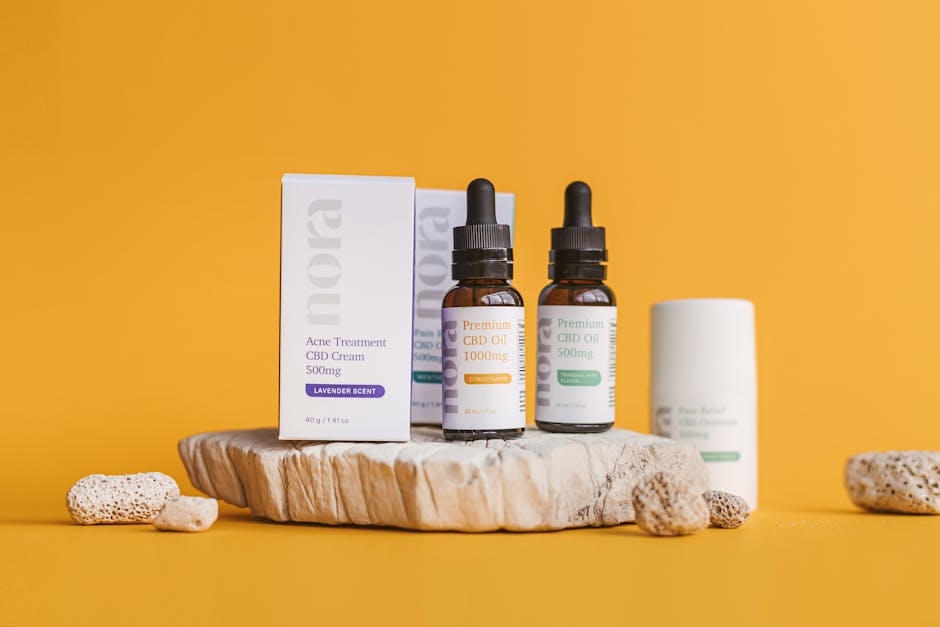
- Lightweight and fast-absorbing – The formulation is designed to penetrate without leaving a greasy or sticky residue, crucial when humidity threatens to ruin linen or clothing. Soothing and anti-inflammatory – CBD is prized for calming irritated skin, ideal for post-sun exposure and bug bites. No overpowering scent – This means it won’t clash with the natural tropical fragrances or personal scents, making it easy to layer with other essentials. Keeps product lids tightly closed – As a personal skin care routine devotee, I appreciate Joy Organics’ attention to packaging, which helps their product last in hot environments without losing efficacy.
Cool-Down and Dry-Off Routines Before Application
Before applying any cream in the tropics, the golden rule is to give your skin a moment to cool down and fully dry off. Here is a tried-and-true routine I’ve developed after years in the Yucatan:
Step away from direct sun: If you’ve just finished outdoor activity, find shade to let your skin temperature return closer to normal. Use a clean, dry towel: Gently pat your skin dry—do not rub vigorously, which can irritate sensitive tropical skin. Fan minutes count: Turn on a fan or use a handheld one to help evaporate residual moisture. Wait for skin to feel fully dry: This may take several minutes, but applying on dry skin ensures maximum absorption and prevents the “wet skin trap.”This routine optimizes https://yucatanmagazine.com/sun-sweat-and-topicals-using-a-cbd-cream-in-a-tropical-climate/ the tropical skin feel, enhancing the comfort of topical creams applied afterward.

Layering Order: Sunscreen, Insect Repellent, and Creams
Another common traveler mistake is mixing creams with sunscreen and insect repellent without thinking about the order and interactions. Here’s a practical layering cheat sheet:
Step Product Why This Order Matters 1 Sunscreen The first layer protects skin from UV damage. It needs to be applied to clean, dry skin and given time to bind properly. 2 Insect Repellent (especially DEET-based) Repellents must be applied on top of sunscreen, as DEET can degrade certain sunscreen ingredients and plastics, reducing effectiveness. 3 Topical Cream (CBD or menthol) Should go last, applied sparingly on targeted areas once sunscreen and repellent have absorbed, especially if you want to avoid disturbing the protective layers.DEET Interactions with Oils and Plastics
A special caution for tropical travelers is that DEET, a common ingredient in insect repellents, can react adversely with oils and plastics:
- Plastics: DEET may degrade plastics, causing containers to weaken or crack. This includes sunglasses lenses, watch bands, and phone cases. Oils: Because DEET dissolves oils, topical creams rich in essential oils or oils can be broken down or rendered less effective if applied improperly alongside repellent.
This makes unscented, menthol-free formulations like Joy Organics CBD cream particularly appealing in hot weather, as they typically avoid heavy oils that interact badly with DEET.
Final Thoughts: What’s Best for Tropical Climates?
For anyone navigating the humid heat of the Yucatan or similar tropical settings, understanding how your skin and product interact is key to comfort and effectiveness. Menthol creams provide that initial rush of cool—but beware the “menthol ambush in heat” effect and the potential for scent overload. If you want something less intrusive, Joy Organics’ unscented, menthol-free CBD cream offers a soothing alternative with a light, tropical skin feel that won’t crumble in the humidity or clash with your essential sun and bug protection.
Always remember to follow a cool-down and dry-off routine, be deliberate about the layering order with your sunscreen and insect repellent, and respect the quirks of DEET interactions. These are small steps that make a world of difference when it comes to tropical skin care.
For more insights and practical tips on life in the Yucatan, keep reading Yucatan Magazine and drop by Yucatan Studio for community events and workshops focused on healthy living in the tropics.